
For years, self-driving cars were discussed mainly in terms of sensors and hardware.
But today, the real competition is shifting toward software intelligence—and Samsung’s latest move makes that clear.
Through its automotive subsidiary Harman, Samsung Electronics is acquiring the ADAS (Advanced Driver Assistance Systems) business of ZF Friedrichshafen, a global leader in automotive technology.
This is Samsung’s most significant automotive acquisition since it bought Harman in 2017.
The message is simple:
advanced driver assistance technology is becoming… no longer just car hardware—it’s becoming the software brain of future mobility.
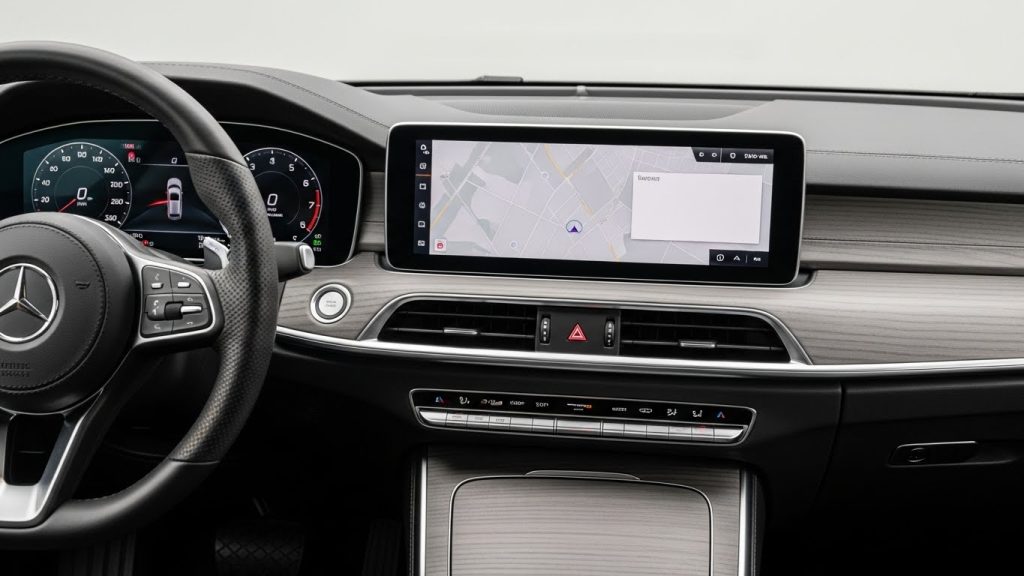
ADAS Is No Longer Just About Sensors
Traditionally, ADAS referred to features like lane-keeping assist, adaptive cruise control, or collision warnings.
These functions relied heavily on cameras, radar, and basic control units.
Today, that definition has changed.
Modern ADAS systems are built on:
- Computer vision
- Real-time AI inference
- Sensor fusion
- High-performance system-on-chip (SoC) platforms
In other words, ADAS has evolved into a software-driven decision-making system, processing massive amounts of data in real time.
This shift turns ADAS into an IT problem—not a mechanical one.
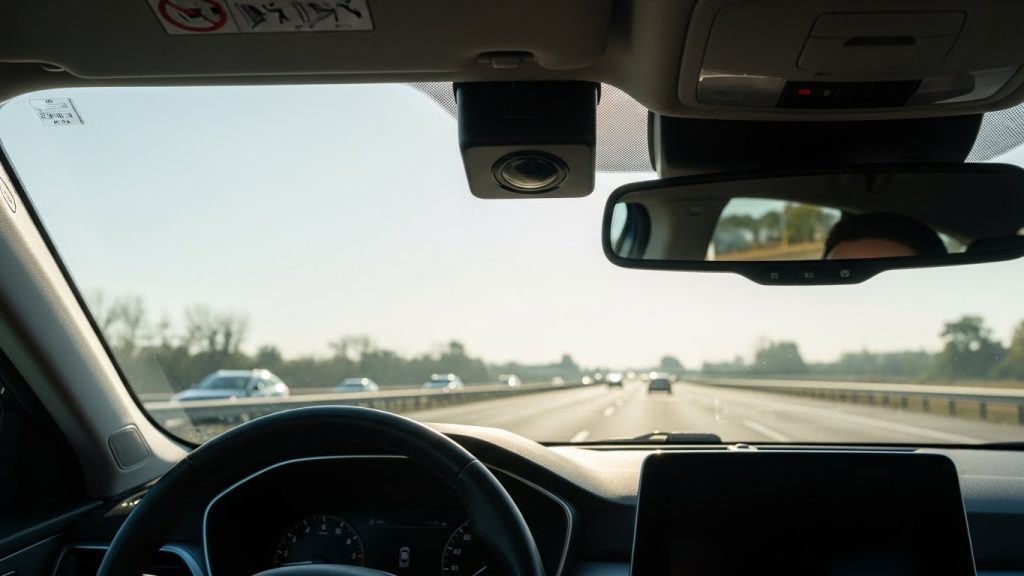
Why Software-Defined Vehicles Matter
The automotive industry is moving rapidly toward Software-Defined Vehicles (SDVs).
In SDVs:
- Vehicle functions are controlled by software, not fixed hardware logic
- Features are updated via over-the-air (OTA) updates
- Centralized controllers replace dozens of distributed ECUs
ADAS plays a critical role in this transition.
It sits at the intersection of perception, decision-making, and control—essentially acting as the vehicle’s operating intelligence.
Owning ADAS technology means owning a core layer of the SDV software stack.
According to Statista, the global ADAS market is expected to see strong growth over the next decade as software-defined vehicles become more widespread.
Statista

Why Samsung Needs ADAS as an IT Company
Samsung’s strategy becomes clearer when viewed from an IT infrastructure perspective.
Samsung already controls:
- Advanced semiconductors (including AI-focused memory)
- Displays
- AI and edge computing technologies
- Connectivity and networking
- Automotive infotainment via Harman
What it lacked was high-level vehicle intelligence software.
By acquiring ZF’s vehicle intelligence system
business, Samsung fills that gap instantly—without spending years building trust with global automakers from scratch.
This is not an automotive play alone.
It is a full-stack IT expansion into mobility.
This shift toward software-defined vehicles mirrors broader changes across Samsung’s business strategy, including its recent moves in semiconductor and AI-driven industries.
From Chips to Cockpits: A Full-Stack Strategy
One of the most important implications of this acquisition is integration.
Harman is already the global leader in digital cockpits and in-vehicle infotainment systems.
ZF’s ADAS technology adds perception and decision layers on top of that.
Together, they enable:
- Unified cockpit + ADAS control
- Centralized vehicle computing
- Faster software updates
- Reduced development time for automakers
This mirrors trends already seen in cloud computing and edge AI—where integration beats fragmented solutions.
- According to industry analysis from Statista, the global ADAS market is expected to grow rapidly over the next decade.https://www.statista.com/statistics/591579/adas-and-ad-systems-in-light-vehicles-global-market-size/?srsltid=AfmBOooTDR3FfBYDsDQbPh7qTPAJVPbsyeRF35ULpwaOjuavg1X2Y4_y
The Market Opportunity Is Massive
The combined ADAS and centralized vehicle controller market is expected to grow rapidly:
- Tens of billions of dollars today
- Nearly triple by the mid-2030s
- Double-digit annual growth rates
Growth is driven not by car sales volume, but by software content per vehicle.
As vehicles become smarter, ADAS moves from optional feature to mandatory platform.
Why This Move Matters Beyond Cars
Samsung’s ADAS investment reflects a broader trend in IT:
- AI workloads moving to the edge
- Real-time inference becoming critical
- Software platforms replacing hardware differentiation
Cars are becoming one of the most complex edge-computing devices in everyday life.
By securing driver assistance systems
capabilities now, Samsung positions itself at the center of that transformation.
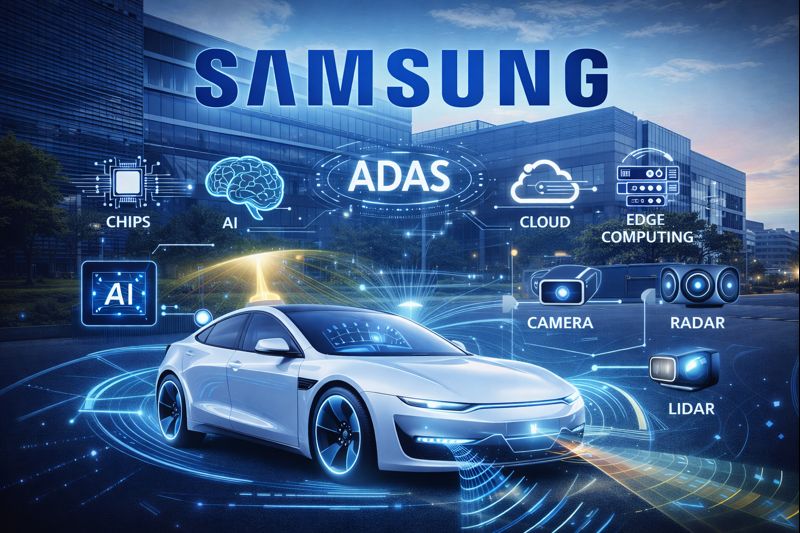
Final Takeaway
Samsung isn’t just buying an automotive business.
It’s acquiring a software intelligence layer that connects AI, chips, displays, and edge computing into a single mobility platform.
In the era of self-driving cars, advanced driver assistance technology is becoming… just assistance—it’s the brain.
And Samsung is betting big on owning it.
advanced driving software
will also play a key role in how vehicles connect with cloud platforms, edge computing systems, and future smart city infrastructure.
As cars become intelligent software nodes, ADAS will increasingly define how mobility integrates with the broader IT ecosystem.